If you have a high-energy dog that never seems to get tired, you’ve probably heard about herding balls.
These oversized, durable balls are designed to keep dogs mentally and physically engaged—but do they actually work, or are they just another pet trend?
In this guide, we’ll break down the real pros and cons of herding balls, which dogs benefit the most, and whether they’re worth it for your situation.
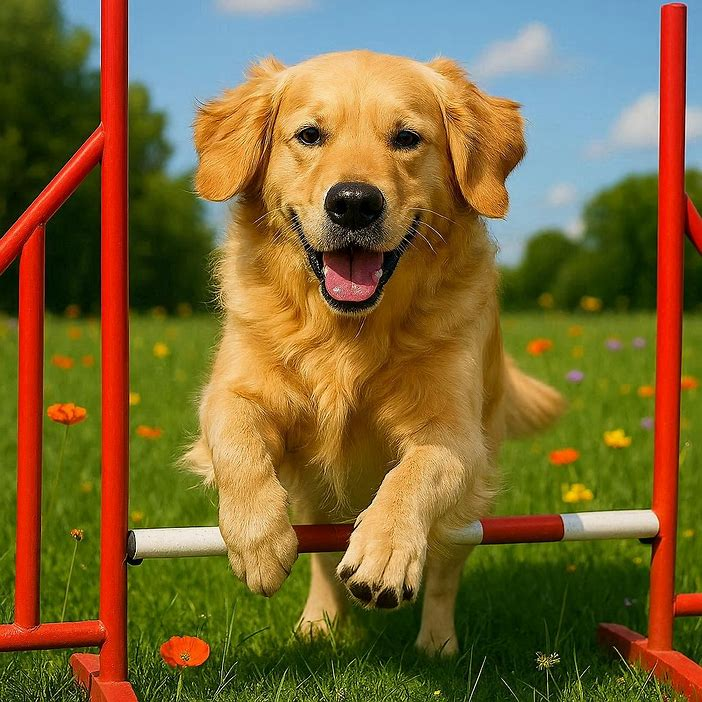
These oversized toys have become increasingly popular among dog owners with energetic breeds. You’ve probably seen videos online of dogs pushing large balls around a yard like they’re herding livestock. It looks fun—and for many dogs, it absolutely is.
But are herding balls actually worth it, or are they just another dog toy trend?
Here’s a closer look at how they work, the benefits, the downsides, and whether your dog might enjoy one.
What Is a Herding Ball for Dogs
A herding ball is a large, durable ball designed for dogs to push, chase, and control with their body rather than carry in their mouth.
Unlike traditional fetch balls, herding balls are usually:
- Much larger than a dog’s mouth
- Made from hard plastic or thick rubber
- Designed to roll easily across yards or open spaces
- Built to withstand pushing, chasing, and rough play
The idea behind the toy is simple: it taps into a dog’s natural herding instinct. Instead of herding sheep or cattle, the dog pushes the ball around the yard.
For many dogs, this can be incredibly satisfying and mentally stimulating.
Why Some Dogs Love Herding Balls
Not every dog will care about a herding ball, but for certain breeds, it can quickly become a favorite activity.
Dogs bred for herding often have strong instincts to control movement and chase objects. When they see a large ball rolling away from them, it naturally triggers those instincts.
Instead of simply chewing or retrieving a toy, the dog actively tries to guide and control the ball, which makes the activity more engaging.
That’s why these toys are especially popular among working and high-drive dogs.
Pros of Herding Balls for Dogs
Like many enrichment toys, herding balls can offer several benefits when used properly.
Excellent Mental Stimulation
Herding dogs were bred to think while they work. Pushing and controlling a large ball requires focus and problem-solving, which helps keep their minds active.
Mental stimulation is just as important as physical exercise for many dogs.
Great for Burning Energy
High-energy dogs often need more than a daily walk to stay balanced. Herding balls encourage running, chasing, and constant movement.
For dogs that get bored easily, this type of activity can help burn off excess energy in a healthy way.
Encourages Natural Instincts
Many dogs feel happiest when they can express their natural instincts. Herding balls allow dogs to practice behaviors similar to herding livestock, even if they live in a suburban backyard.
For breeds that were originally developed for farm work, this can be incredibly rewarding.
Can Reduce Boredom
Bored dogs sometimes develop unwanted habits like chewing furniture, digging holes, or barking excessively.
Providing engaging activities—like herding a large ball—can help redirect that energy toward something more productive.
Cons of Herding Balls
While herding balls can be great enrichment tools, they aren’t perfect for every dog.
Understanding the downsides helps you decide if it’s the right toy for your pet.
They’re Not Ideal for Small Dogs
Because herding balls are large and often quite firm, they’re typically better suited for medium and large breeds. Smaller dogs may struggle to interact with them properly.
They Can Be Noisy
When pushed across hard surfaces like patios or decks, herding balls can make a fair amount of noise. For this reason, they’re usually best used in yards or open outdoor spaces.
Some Dogs Lose Interest
Not every dog will understand or enjoy the toy. Some dogs prefer toys they can chew or carry rather than push around.
Introducing the toy properly can help, but it’s possible your dog simply won’t care about it.
Requires Supervision at First
When introducing any new toy, supervision is important. Some dogs may try to bite the ball instead of pushing it, which could lead to frustration if the ball is too large or hard.
Most dogs learn quickly, but it’s still good to monitor early play sessions.
Which Dogs Benefit Most from Herding Balls?
Certain breeds tend to respond especially well to herding balls because of their natural instincts and energy levels.
These often include:
- Border Collies
- Australian Shepherds
- Australian Cattle Dogs
- German Shepherds
- Shetland Sheepdogs
- Belgian Malinois
That said, breed isn’t the only factor.
Dogs that enjoy chasing, pushing objects, or controlling movement may also enjoy herding balls even if they’re not traditional herding breeds.
High-energy dogs in general tend to benefit the most.
What to Look for in a Good Herding Ball
If you decide to try one, there are a few features that can make a big difference in how well the toy works.
Durable Materials
Look for balls made from thick plastic or heavy-duty rubber. High-energy dogs can be rough on toys, so durability is important.
The Right Size
The ball should be large enough that your dog cannot easily pick it up with their mouth. This encourages pushing rather than chewing.
Many brands offer different size options for small, medium, and large dogs.
Smooth Rolling Design
A ball that rolls easily across grass helps keep the game moving and encourages your dog to continue interacting with it.
Tips for Introducing a Herding Ball
Some dogs immediately understand the game, while others need a little encouragement.
Here are a few tips to help your dog get started.
Start in an open space.
A fenced yard or open field works best.
Encourage movement.
Roll the ball gently to get your dog interested.
Reward interaction.
Praise or treat your dog when they push or chase the ball.
Keep sessions short at first.
Short play sessions help prevent frustration while your dog learns how the toy works.
Most dogs figure it out quickly once they realize the ball moves when they push it.
Are Herding Balls Worth It?
For the right dog, herding balls can be an excellent enrichment toy.
They provide both physical exercise and mental stimulation, which is especially valuable for active or working breeds. Dogs that enjoy chasing and controlling moving objects often take to them very naturally.
However, they’re not a must-have toy for every dog. Some dogs prefer traditional toys like tug ropes, chew toys, or fetch balls.
If your dog has lots of energy, strong herding instincts, or tends to get bored easily, a herding ball might be a fun addition to their routine.
And when a toy keeps your dog active, engaged, and mentally challenged, it’s usually worth trying.
Final Thoughts
Keeping a dog mentally stimulated is one of the best things you can do for their overall well-being. Toys that encourage natural behaviors—like herding balls—can play a big role in that.
While they aren’t perfect for every dog, many active breeds absolutely love them. If your dog enjoys chasing and pushing objects, a herding ball could turn into one of their favorite ways to play.
Sometimes the simplest toys are the ones that keep dogs happiest.
FAQs
Are herding balls safe for dogs?
Yes, as long as they are used under supervision and sized appropriately.
What size herding ball should I get?
It should be large enough that your dog can’t easily pick it up.
Can herding balls replace walks?
No—they’re a supplement, not a replacement for regular exercise.